- Get link
- X
- Other Apps
What Is Deep Sleep (Slow Wave Sleep)? What It Is and What 2026 Studies Found
By Chester Takau · November 2026
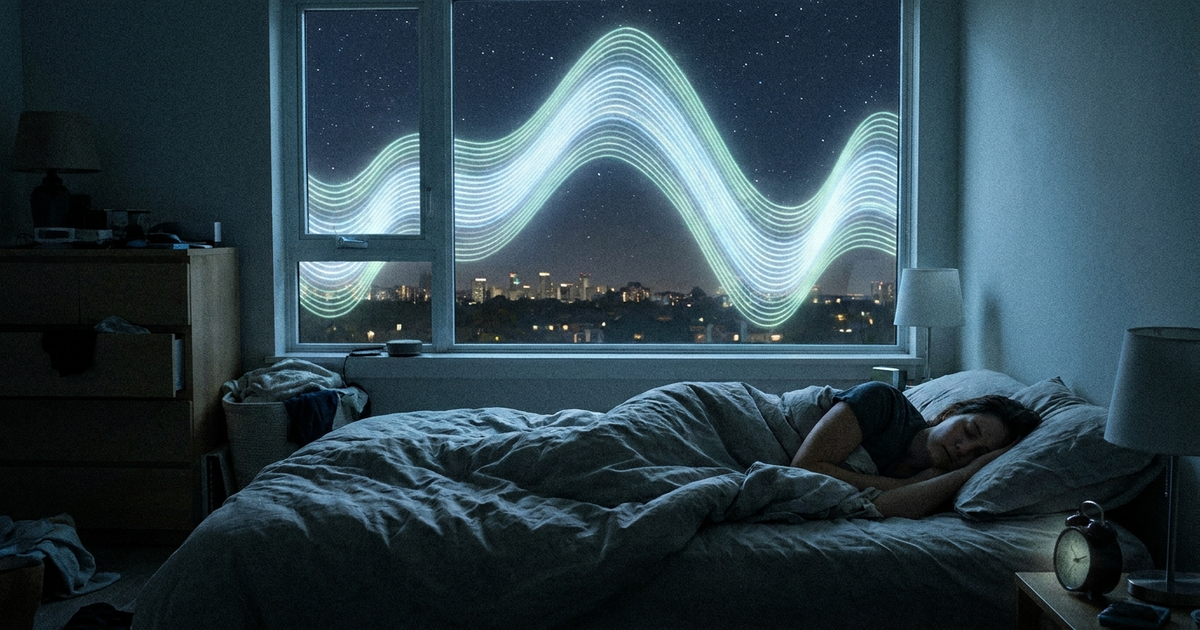
Deep sleep is the stage of non-REM sleep, now officially called N3, in which large, slow brain waves (about 0.5 to 4 cycles per second, the delta range) dominate the EEG. It is also called slow wave sleep. It is the hardest stage to wake someone from, it clusters in the first half of the night, and it shrinks with age. Whether more of it is always better is less settled than headlines suggest.
About the author
Chester Takau is an independent writer researching sleep science and meditation. Content is educational and not a substitute for medical advice. See more about this site or get in touch.
Are deep sleep, slow wave sleep, delta sleep and N3 the same thing?
Yes, in everyday use. Older manuals split it into stage 3 and stage 4; the AASM merged them into N3. "Delta sleep" refers to the wave frequency. The wave itself comes from huge groups of cortical neurons firing together and then going quiet together, which draws a tall, slow swing on the EEG.
Matthew Walker describes it with a stadium analogy in his Huberman Lab conversation (the non-REM chapter starts around 19:08):
"hundreds of thousands of brain cells in your cortex all decide to unite in their singular voice of firing"
How much deep sleep is normal?
Sources disagree. Ranges quoted include 10–20% and 13–23% of the night, or a flat "1 to 2 hours" (see Sleep Foundation). The amount falls with age, but a popular claim that people lose about 70% by age 60 appears in only one source I found, so treat it cautiously.
Is low deep sleep a sign of Alzheimer's?
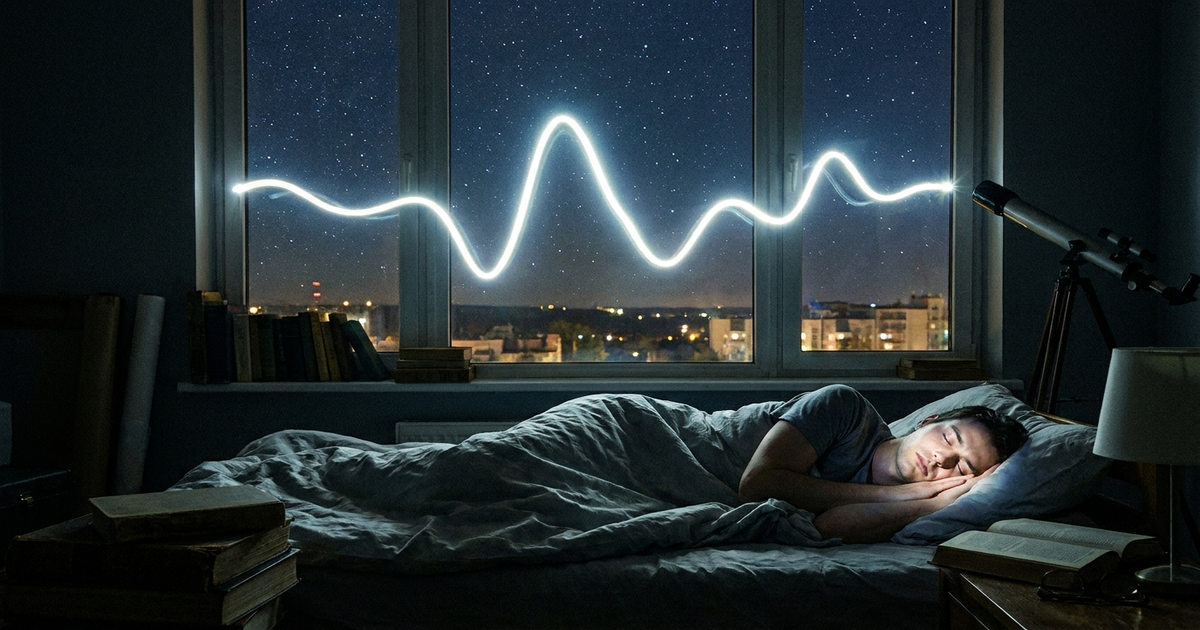
Two 2026 studies found associations, not causes. A Barcelona study of 116 adults found flatter, lower-amplitude slow waves in people with amyloid, more so in early Alzheimer's, before memory symptoms (News-Medical summary). It was a single night and cross-sectional. UC Berkeley researchers linked frontal-cortex tau to irregular "lonely" slow waves and weaker overnight memory consolidation, and say they don't yet know which comes first (UC Berkeley). One low night on a tracker tells you nothing about dementia.
Does weak deep sleep affect anxiety?
In a UT Dallas study of 53 older adults, those with fewer slow waves woke up more anxious, and weaker slow waves fully accounted for the link between atrophy in emotion-related brain regions and next-day anxiety (Communications Psychology, April 2026). It is a small sample, again correlational.
Can I trust my tracker's deep sleep number?
Only loosely. Wearables estimate stages from movement and heart-rate variability, not EEG. Quoted deep-sleep sensitivity ranges from about 50% to about 80% depending on device and source, and those figures conflict, so check the validation study rather than a blog. Watch trends over weeks, not single nights.
Can you boost it?
Closed-loop sound stimulation has trial support, though Walker notes the benefit plateaus and overstimulation can suppress natural slow waves. A 2026 Sleep Medicine Reviews systematic review found most drugs that lengthen slow-wave sleep rarely improved cognition. The widely agreed basics are avoiding alcohol near bedtime, a cool bedroom and a regular schedule. If you are worried about your sleep, see a doctor.
Sources: Sleep Foundation, UC Berkeley, News-Medical (Barcelona study), UT Dallas anxiety study, slow-wave–spindle coupling and amyloid, wearable vs polysomnography validation.
Updated November 2026. General guidance, not medical advice.
Transparency note: This article was researched and written by Chester Takau with AI assistance for research gathering and drafting. All recommendations reflect the author's own editorial judgment.
Comments
Post a Comment